Historical Context
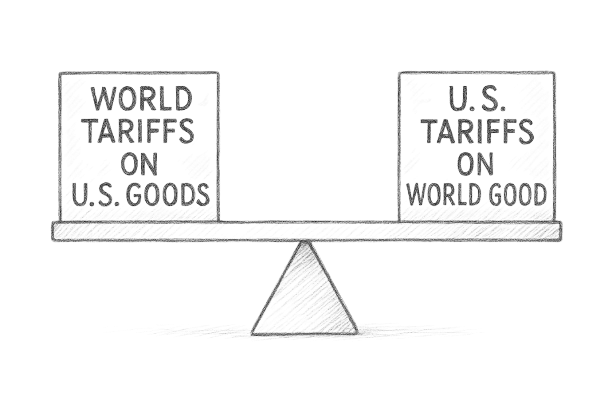
For decades, many countries imposed tariffs to limit US exports. Developing nations did this to grow their economies, while developed European countries aimed to protect their manufacturing industries. Meanwhile, the US maintained an open economy, becoming the world’s primary consumer. American consumers enjoyed buying inexpensive foreign goods, often overlooking the impact on domestic manufacturing. As a result, the manufacturing sector’s share of the economy dropped from 17% in the 1990s to about 11% today. Given the economy’s average size of nearly $17 trillion during this period, this decline equates to a $1 trillion loss for manufacturing and has squeezed America’s middle class. Consequently, economic activity has shifted towards the service sector, driven by the purchase of cheap imported goods.
Understanding the Impact of Unbalanced Tariffs
Concerns are rising regarding the economic disruptions caused by tariffs, raising critical questions: But what happens if we do not reciprocate tariffs imposed by other countries that tax our exports while subsidizing their domestic goods? Are we indirectly subsidizing their economies, and what are the long-term ramifications? Does this destroy what makes America great?
In today’s interconnected global economy, international trade significantly influences national economic health. When trading partners impose tariffs on our goods and we fail to respond appropriately, the consequences can be profound. Tariffs used strategically and cautiously can address specific inequities without sacrificing America’s core strengths—innovation, productivity, and openness to global trade. Excessive or overly aggressive tariff policies, however, may inadvertently harm those very attributes that have driven America’s global economic leadership. Here, I try to explore both short-term and long-term effects of unbalanced tariff policies.
Short-to-Medium Term Effects
- Increasing Trade Deficits
Unbalanced tariffs typically result in a rise of imports relative to exports, widening the trade deficit. As imported goods become cheaper and more appealing, domestic businesses risk losing crucial market share.
- Industry Decline and Job Losses
Local industries, especially manufacturing sectors that compete directly with tariff-free or lower-cost imports, can face reduced profitability, closures, and workforce reductions. This leads to increased unemployment and economic hardship in affected communities.
- Reduced Global Competitiveness
High foreign tariffs limit market access for domestic producers, undermining incentives for innovation and productivity improvement. As a result, domestic companies may struggle to remain competitive globally, risking economic stagnation.
- Dependence on Foreign Imports
Unchecked import growth, particularly in strategic sectors such as technology, healthcare, and defense, creates vulnerabilities. Over-reliance on external sources for critical goods compromises national security and economic resilience.
Long-Term Implications
- Erosion of Domestic Industry
Persistent trade imbalances can lead to irreversible damage to domestic manufacturing and service industries, significantly weakening overall economic stability and strength.
- Loss of Technological Leadership
Restricted access to international markets inhibits innovation. Countries imposing high tariffs can achieve technological dominance, limiting competition and reducing future economic opportunities for others.
- Weakened International Negotiating Power
Tolerating ongoing trade imbalances diminishes a country’s leverage in future trade negotiations, signaling vulnerability and potentially inviting further inequitable treatment.
- Economic and Political Instability
Sustained economic imbalance fuels public dissatisfaction and protectionist sentiments, possibly contributing to political instability. Chronic trade deficits can also expose economies to wider vulnerabilities, currency volatility, and decreased resilience against economic downturns.
- Declining Economic Growth and Living Standards
The cumulative impact of job losses, industrial decline, and stifled innovation can result in wage stagnation and reduced employment opportunities. Ultimately, these issues lead to a lower national standard of living.
Strategic Considerations
Balanced and proactive engagement in tariff management and international negotiations is essential to mitigate these risks. Although retaliatory tariffs should be approached with caution due to the risk of escalating trade conflicts, they can effectively protect domestic interests and encourage fairer global trade practices when used strategically.
By maintaining balanced trade relationships through thoughtful tariff policies and strategic diplomatic efforts, nations can safeguard economic stability and ensure sustainable growth, benefiting current and future generations.nd ensure sustainable growth, benefiting current and future generations.

 Musings at Altitude